Posts

Facial & Hair Oils, not as scary as you would think! – Secrets from Charene Beauty Parlour

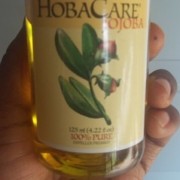
Pure Jojoba

(Photo credit: Evelyn Parham)

First off let me say that I personally love Facial & Hair Oils when the correct oil is matched up with the correct skin type and condition.  When used correctly Facial & Hair Oils can do wonders for the skin!  I know what your thinking, “what put oils on your face!”?  For centuries people have used oils in skincare especially the ancient Egyptians, Greeks, and Romans.  Avoiding oils can actually exacerbate an acne problem. Stripping the skin of its natural oils causes dehydration, which can lead to the overproduction of sebaceous oil (sebum). Without sufficient hydration, excess sebum can create clogged pores and eventually breakouts.

The skin-the body’s largest organ naturally excretes oil, so using it to replenish, cleanse and hydrate seems fitting. In fact, in some countries, like Japan, using oil-based skin-care products is the preferred way of caring for the skin. Such as with cleansing facial & hair oils, yes that’s right, oils or oil blends are specifically designed to use in place of your cleanser.  I personally recommend cleansing oil for dry and mature skin only or as a makeup remover or first cleanse followed by a second cleanse with a traditional cleanser.  As we age, moisture levels in the skin drop, causing it to become dry and dehydrated, in turn making fine lines and wrinkles more noticeable. You may be surprised to learn that a large majority of skin-care products boast an oil agent as the main ingredient.

But how does oil work with skin? Because oil is an emollient, it fills in the spaces between the cells in the upper levels of the skin. By replacing these essential lipids, products that are oil-based smooth, and lubricate rough skin. Because of their chemical structure, the skin more easily absorbs oils than water-based moisturizers.

Oils can do many things for your skin:

  • Calm
  • Purify
  • Cleanse
  • Act as an antiseptic
  • Act as a moisturizer
  • Act as a barrier to seal in moisture
  • Protect your skin against the elements, wind, and the cold, for example
  • Provide nutrients such as vitamins and minerals to your skin
  • rich in moisturizing fatty acids, including omega-3, -6, and -9, which strengthen the skin’s lipid layer and help stabilize natural oil production
  • Plant-based oils are non-comedogenic, meaning they’re not likely to clog pores and cause breakouts.

Facial & Hair Oils Application tips

  • Since oils lack the water component of creams, it’s best to apply them immediately after cleansing, while skin is still moist, so the oil can lock in the moisture.
  • Massage in and remove extra if need with toner on a cotton pad.
  • Blend oils to fit your skin type and conditions, add essential oils again to fit your skin type or conditions to customize.  (You can always buy a pre-formulated facial or hair oil, but they tend to be pricey.)
  • If your skin is particularly dry, rich oils are ideal. Try layering oil on top of your regular lotion or moisturizer for the ultimate moisture-locking effect
  • You might also like the regimen of using a hydrating facial mist just before you apply the oil. Again, the facial oil will lock in the water to keep the skin hydrated longer.
  • Try this lymphatic drainage technique to help reduce facial puffiness: Apply oil with your fingertips using light, sweeping movements in a downward motion. Then press and release your fingertips, moving down your face, and finish by tapping very lightly all over.

Ease into it

If smoothing an oil onto your face still sounds daunting (and if the prices are more than what you typically spend on skincare), many mainstream brands are responding to consumer demand for natural ingredients by incorporating plant-based oils into their creams and serums.

Oil:                                     Skin Type or Condition:

Grape Seed                                   All Skin Type

Hazelnut (nut)                                       Oily or Acneic

Almond (nut)                                          All Skin Types, Sensitive, Dry or Mature

Olive (fruit)                                                Dry, Mature, Dehydrated

Avocado* (fruit)                                       Rosacea, Sensitive, Hyperpigmentation,  psoriasis, and eczema

Pomegranate (fruit)                               Hyperpigmentation, Oily

Jojoba (nut)                                             All Skin Types, Dry, Acneic

Rose Hip* (plant)                                   dehydrated, aging, scarred                                                                                                            hyperpigmentation

Apricot Kernel (fruit)                           Mature, Sensitive, Rosacea, Boils, Inflammation

Argan (nut)                                               All Skin Type, Pre-shower Hair Conditioner,

Peanut (nut)

Saffaflower (plant)

Sunflower Oil (plant)

Sesame (plant)

Kukui (nut)

Neem (fruit/plant)                              Pre-shower Hair Conditioner

Coconut (nut)                                        Pre-shower Hair Conditioner,

Castor                                                       Pre-shower Hair Conditioner, Massage into face prior to facial extractions to purge sebum and debris then remove

Emu (animal)                                          Dry or Mature

Wheat Germ                                             Acneic, Dry, Mature

*Refrigerate


Looking for Best Beauty Parlour Near Me – Charene Beauty Services

Enzymes our Little Exfoliating Helpers, Time to Fight those Free Radicals! – Insights by Charene Beauty Salon

What are enzymes?  How do they help my skin?

Enzymes are proteins, biochemical compounds or macromolecules, that increase the rate of chemical reactions by acting as catalysts.  Created through various processes within plants, animals, and marine and human life, these are crucial life processes. There are over 3,000 enzymes in our bodies.

Enzymes protect the skin against the effects of free radicals and they enable the skin to generate new cells.  Less specialized cells join together to form specialized cells such as skin cells. Atoms, the basic unit of matter, have become unstable when their structure is changed due to at least one unpaired electron is free radicals.  The unstable atoms cause a chain reaction. Atoms stealing electrons on and on causing a radical reaction damaging the skins cells.   Protease enzymes are used for skincare.  They are able to break down the proteins holding dead skin cells together.  This aids in the accelerated renewal of healthy cells causing cell turnover by breaking down keratin, the main protein of the epidermis, the top layer of skin, thus exfoliating the skin.

By adding an enzyme mask to your skincare routine once a week or every other week if you exfoliate with a facial scrub or use Retinoids or Alpha Hydroxy Acids.   You can not only help exfoliate your skin you can accelerate cell renewal and turnover and decongest the skin and help soften it for extractions.

Cells stained for keratin and DNA: such parts of life exist because of the whole, but also to sustain it (Photo credit: Wikipedia)


Looking for Best Beauty Parlour Near Me – Charene Beauty Services

What is Your Signature Fragrance? – Secrets by Charene Beauty Parlour

NUIT DE LONGCHAMP by Libertine

Created for ‘Night of Longchamp’, a party held in 1934 after the Grand Prix de Paris. This fragrance was traditionally given to society ladies who attended the gala dinner. Bergamot, orange blossom, ylang-ylang, cardamom, nutmeg, iris, jasmine, rose, sandalwood, broom, patchouli, oakmoss, vetiver, rockrose, balsam, and tolu balsam.


Or


Iris de Nuit Eau de Parfum by HEELEY

Mystical, sensual and delicate, iris is one of the most rare and difficult fragrances to achieve. A seductive and delicate blend of iris, wood and Tuscan cypress, Iris de Nuit is a laid back, mellow iris fragrance. Clean and fluid, its gentle charm evokes modernity–clean spaces, soft angles and crisp white linen, quite different from the classic iris scents of the past. Perfectly wearable for anytime of day and any situation… Iris de Nuit never screeches its presence, but the air is somehow diminished when the wearer leaves the room. Memorable and tangible.


+


Acqua di Colonia – Melograno


Melograno reminds of a scent I would opt to wear in the cool, fall weather. It possesses citrus, florals and earth tones jockeying for position during its opening and heart accord. In actuality, this fragrance is a good representation of what’s listed in the accords as undertones of wood, green and the suggestion of tobacco are all represented as Melograno heads into the base and drydown.


Some Great Scents to Mix to Create Your Own Personal Scent!

Dior Homme Intense Cologne by Christian Dior

Originally launched by the design house of Dior in 2007, this fragrance is aptly named for the man who is vibrant, vital, and intense. Furthermore, Dior Homme Intense for him is a floral, woody, musky scent that he may find himself wanting to wear every day. While casual, it remains provocative—an alluring fragrance with a strong lavender top note. In addition, middle heart notes of pear, musk mallow, and iris enrich its complexity, while deep, dark base notes of Virginia cedar and vetiver provide a grounded, lasting impression.


+

Prada ‘Amber’ Eau de Parfum Spray

frag

This hypnotic amber scent is a modern classic that intertwines memory, reality, and possibility. Clearly made from pure essential oils this long-lasting scent is distinctive, intimate, and sumptuous. The fragrance comes in a modern sleek solid glass bottle symbolizing the future.

+


Margiela Replica


A stroll along the ocean. Feet sink into the sand. Waves brush the skin. The sun at its zenith radiates the beach. “Beach Walk” evokes the memory of a summer day.

Or


LILY OF THE VALLEY / MUGHETTO Cologne


The Lily of the Valley flower is native to Europe, particularly thriving in the wooded areas of the Alps. Moreover, because of its sweet scent and delicate, fragile appearance, the lily of the valley symbolizes innocence and the return of happiness. Its fragrance, while sweet, also carries an underlying hint of green, which in turn adds depth and character. As a result, it’s a wonderful choice for both day and evening wear.


Looking for Best Beauty Parlour Near Me – Charene Beauty Services

Do You Know The Benefits of Paraffin by Charene Beauty Parlour

What is Paraffin?

Paraffin wax is a common option in heat therapy treatments for people with arthritis or other rheumatic diseases — the heat helps increase blood flow and relax the muscles, which can help relieve caused by arthritis, osteoarthritis, and fibromyalgia [sources: National Institute of Arthritis and Musculoskeletal and Skin Diseases, WebMD]. Paraffin wax can even soften hardened skin caused by scleroderma, a disease in which collagen accumulates on the body — it increases the skin’s elasticity, allowing for increased movement and mobility, especially on the skin covering the hands.

But the benefits of paraffin wax don’t stop there. Because this treatment is a form of heat therapy, it’s often used for muscle, tendon, and ligament ailments. As with conditions like arthritis, they increase blood flow, improve joint stiffness, and reduce pain. They’re also used to treat bursitis, tendonitis, sprains, and pulled muscles.

Paraffin wax baths are typically small tubs that are just large enough to submerge your hands or feet. The tubs are heat-producing appliances, so when this wax is added to the tub, the wax melts into a warm liquid in which hands, feet, or elbows can be immersed. Because paraffin wax has a low melting point of 125 to 135 degrees Fahrenheit — which is slightly cooler than your average latte — it’s generally safe for extended skin immersion.

Can It Be Used at Home?

There are also many paraffin wax baths available for home use. These at-home spa treatments typically come with wax, fragrances, and protective gloves, and booties. However, if you’re making your own wax bath at home, be sure to follow the instructions carefully to avoid injury.

You see it in candles, crayons, and lipstick. As a child, you probably even used it to decorate Easter eggs. It’s wax. Wax plays a starring role in beauty treatments as well — it’s a popular way to remove unwanted body hair from legs, arms, chests, eyebrows, and bikini lines. But you may not know that wax has another cosmetic use: the paraffin wax bath.

Paraffin wax is a mineral wax derived from petroleum. Unlike the wax used for depilatory procedures, which is viscous and sticky to bond to hair and skin, paraffin wax is a soft wax with a low melting point, which means that it melts at a temperature cool enough to safely immerse your skin. Paraffin wax is an emollient approved by the U.S. Food and Drug Administration as a treatment to soften and smooth skin.

Paraffin wax has a long history of treating a variety of physical conditions. In fact, it was used in massage therapy as far back as the Roman Empire. And in more recent years, it’s become a popular physical therapy treatment for people with sports-related injuries.

Today, paraffin wax treatments are offered at many spas and salons, and these treatments are good for more than just softening and smoothing the skin. Read on to learn more about paraffin wax treatments and how they work.


Looking for Best Beauty Parlour Near Me – Charene Beauty Services

How to Make Rice Water Toner by Charene Beauty Salon

In some parts of the world ‘to eat’ literally means ‘to eat rice’. One of the most important food grains, rice is a staple food for almost half of the world’s population, supplying as much as half of the daily calories.

But, rice is also an important beautifying ingredient. For centuries, Asian women have used rice water to beautify their face, body, and hair. Traditionally, female rice farmers in China, Japan, and other southeast Asian countries used to bathe and wash in the water used for cleaning rice.

The Yao ethnic women from the village of Huangluo in China are testament to this tradition. With their average hair length of about 6 feet, these women made it to the Guinness Book of World Records as the “world’s longest hair village” (Read more here). Plus these women do not have grey hair till the late 80s. The Yao women believe that the fermented rice water, which they use to cleanse their hair, is what helps to keep their hair long, dark, and clean. Rice water enables these women to de-tangle and manages their long hair, which they wrap around their heads in an elaborate high bun that is often described with names such as ‘gazing god’s bun’ or the ‘cloud bun’.

Rice Water For Hair & Skin: Evidence & Benefits

As you’ll find out, rice water has amazing hair and skin benefits. Recent research has shown that rice water exhibits hair care effects, such as decreasing surface friction and improving hair elasticity. Rice water has inositol, a carbohydrate, that can repair damaged hair, as well as protect it from damage. Specialized imaging technique shows that inositol stays inside the hair even after rinsing, offering continuing hair protection and beautifying effects.

So, Rinsing or washing your hair with rice water will improve manageability and protect it from future damage. In addition, the amino acids, vitamins, and minerals in the rice water strengthen the hair roots, add volume and sheen and make hair feel thicker, silky, and smooth. These awesome benefits explain the 6 feet, healthy, long, and beautiful hair of the Yao women.

Not limited to hair, rice water also has many skin benefits. Due to its cooling and soothing effects on the skin, rice water is often prescribed by ayurvedic practitioners as an effective ointment to cool off inflamed skin.

Rice water also has moisturizing, antioxidant, and healing properties that help to improve circulation, prevent or fade age-related spots, and ease inflammation to give you healthy, better moisturized, and clear skin. As long as it’s left on the skin, rice water is even believed to offer mild protection from the sun.

Fermented Rice Water For Toner

The effects of rice water are further enhanced if it is left to ferment. Fermented rice water is rice water that is left to ferment and has gone slightly sour. It is rich in antioxidants, minerals, B vitamins, vitamin E, and traces of pitera, a substance produced during the fermentation process. ‘Pitera’ has grown in popularity recently, and is touted as the anti-aging elixir due to its ability to promote cell regeneration, and help skin stay young and beautiful.

This ferment rice water can be used as a face cleanser, skin toner as well as a hair rinse. The nutrients in the fermented rice water are believed to shrink pores, reduce fine lines, and tighten and brighten your skin – this is a perfect recipe to look radiant and youthful.

Washing or rinsing your hair with fermented rice water is certainly better than rinsing with unfermented or plain rice water. Fermentation lowers the pH of the liquid, and this is similar to our hair’s pH, which is also on the lower side (slightly acidic). So, this slightly acidic pH plus the added nutrients through the fermentation process help restore hair’s pH balance, stimulate blood flow to the scalp, nourish hair follicles to promote healthy hair growth, and improve the overall condition of hair.

Making Rice Water Toner: Plain & Fermented

To enjoy these wonderful beauty benefits of rice water, all you have to do is just collect the water that you use to rinse your rice. And if you don’t want to cook the rice then just grind the leftover rice to make a body scrub, face mask or toner.

To make rice water, you will need:

  • 1/2 cup uncooked rice (brown, white long grain, white short grain, jasmine, or whatever you have)
  • 2 cups water

To Make Rice Water Toner:

  • To make rice water, first, rinse the rice with about a cup of water to remove any dirt or impurities.
  • Then, place 1/2 cup of uncooked rice in a bowl and cover with water. Let the rice soak for about an hour or so. Swirl it around and lightly knead it until the water turns cloudy. This will help the vitamins and minerals seep into the water, creating a nourishing rinse for your hair and skin.
  • Plain Rice Water: Now strain out the rice water into a clean bowl. Your rice water is ready to use.
  • You can either use this water for your hair or face or let it ferment for enhanced benefit.
  • To Ferment: Once you have collected your rice water, leave it at room temperature for a day or until it turns slightly sour, implying that it has started to ferment. It can take anywhere from 24 to 48 hours, depending on how warm it is. So warmer the room temperature faster the fermentation process.
  • To decrease the fermentation time, you can leave the rice sitting in the water and strain it once it has fermented.
  • Your fermented rice water is ready.
  • Store it in the refrigerator and it will last 4 to 5 days. Remember to shake the refrigerated rice water container before using it.
  • Boiling Method: You can also boil the rice to extract rice water. For this, boil the rice using more water than you would normally do. Once it starts boiling take out the excess water and use it. Or you can also let the rice fully cook, strain, and use that excess water. Let the rice water cool down and it’s ready to use. You can store the remaining amount in the fridge for 4 to 5 days.

Vetiver Essential Oil of the Month by Charene Beauty Services

Chrysopogon zizanioides, commonly known as vetiver (derived from the Tamil: வெட்டிவேர் věţţivēr) is a perennial bunchgrass of the Poaceae family, native to India. In western and northern India, it is popularly known as khus.

Vetiver is most closely related to Sorghum but shares many morphological characteristics with other fragrant grasses, such as lemongrass (Cymbopogon citratus), citronella (Cymbopogon nardus, C. winterianus), and palmarosa (Cymbopogon martinii).

Farmers mainly cultivate vetiver for its fragrant essential oil, which they distill from the roots. In perfumery, professionals often use the older French spelling, vetyver. Experts estimate worldwide production at about 250 tons per year. Perfumers widely use vetiver for its excellent fixative properties, incorporating it into 90% of all Western perfumes. Vetiver is a more common ingredient in fragrances for men; some notable examples include Dior’s Eau Sauvage, Guerlain Vetiver, Mr. Vetiver by Une Nuit a Bali, Zizan by Ormonde Jayne and Vetiver by L’Occitane.

Indonesia, China, Haiti are major producers.[12] Vetiver processing was introduced to Haiti in the 1940s by Frenchman Lucien Ganot.[13] In 1958, Franck Léger established a plant on the grounds of his father Demetrius Léger’s alcohol distillery. The plant was taken over in 1984 by Franck’s son, Pierre Léger, who expanded the size of the plant to 44 atmospheric stills, each built to handle one metric ton of vetiver roots. Total production increased in ten years from 20 to 60 tonnes annually, making it the largest producer in the world.[14] The plant extracts vetiver oil by steam distillation. Another major operation in the field is the one owned by the Boucard family. Réunion is considered to produce the highest quality vetiver oil called “bourbon vetiver” with the next favorable being Haiti and then Java.[citation needed]
The United States, Europe, India, and Japan are the main consumers.

Vetiver Essential Oil

The oil is amber brown and rather thick.

People describe its odor as deep, sweet, woody, smoky, earthy, amber, and balsam. Producers obtain the best quality oil from roots that are 18 to 24 months old. They dig up the roots, clean them, and then dry them. Before distillation, they chop the roots and soak them in water. The distillation process can take up to 24 hours. After the distillate separates into essential oil and hydrosol, producers skim off the oil and allow it to age for a few months to let any undesirable notes formed during distillation dissipate. Like patchouli and sandalwood essential oils, the odor of vetiver develops and improves with aging.

The characteristics of the oil vary significantly based on where the grass grows and the surrounding climate and soil conditions. Distillers in Haiti and Réunion produce oil with a more floral quality, and many consider it higher in quality than the smokier-scented oil from Java. In northern India, producers distill oil from wild-growing vetiver, calling it khus or khas. People in India regard this oil as superior to that obtained from the cultivated variety. Since domestic demand consumes most of it, this oil rarely appears in international markets.[15]

Medicinal use

Vetiver has been used in traditional medicine in South Asia (India, Pakistan, Sri Lanka), Southeast Asia(Malaysia, Indonesia, Thailand), and West Africa. [16]
Old Tamil literature mentions the use of vetiver for medical purposes.

Looking for Best Beauty Parlour Near Me – Charene Beauty Services